

Celebrating Changemakers
RDoC Awards
Through its Awards Program, RDoC honours individuals who have contributed to improving various elements of the lives of resident doctors in Canada. There are currently three awards bestowed annually in the following categories: (a) wellness, (b) medical education, and (c) service to resident doctors.
Past recipients have included resident doctors, program directors, postgraduate medical education (PGME) administrators, and organizations that support resident doctors. RDoC award recipients gain both national and local recognition for their efforts. Because of this, the RDoC Awards Program is perhaps one of the most continually successful projects that we undertake.
The RDoC Puddester Award for Resident Wellness (Resident Category)
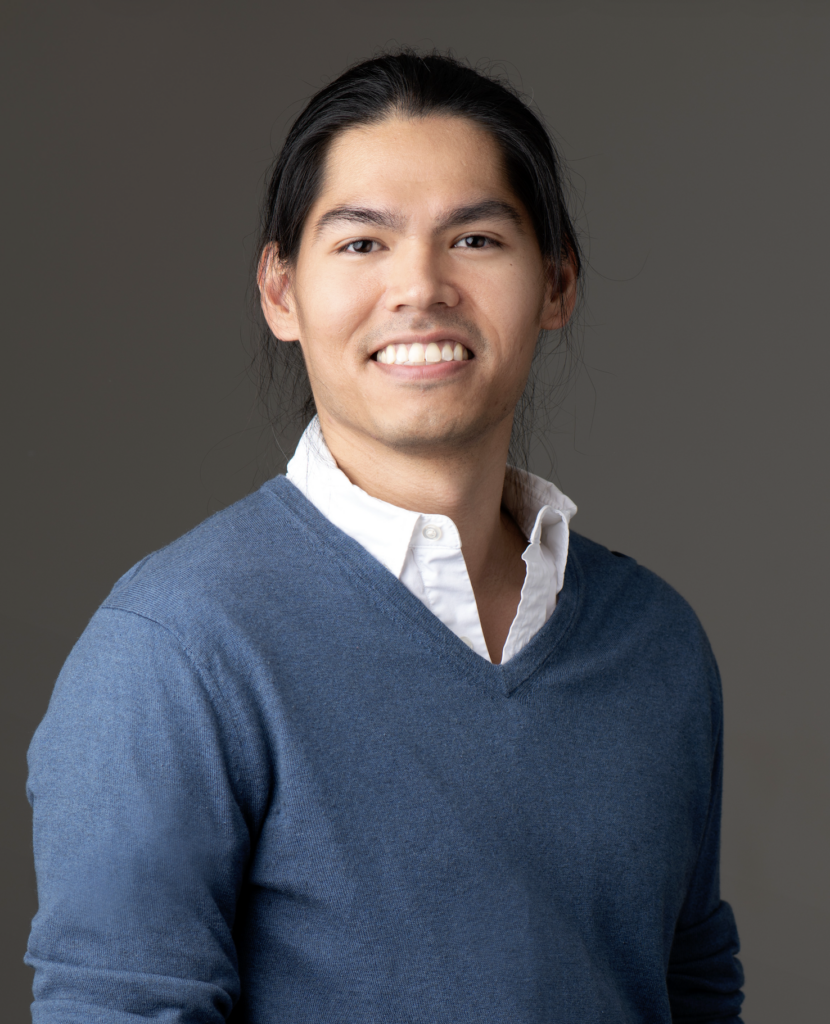
2026 Winner
Dr. Erik Mandawe, PGY-5, Dalhousie University
Dr. Erik Mandawe is a PGY-5 plastic and reconstructive surgery resident at Dalhousie University whose work is advancing a more inclusive and community-centred approach to resident wellness. Through his mentorship of Indigenous medical learners in the Keknu’tmasiek Ta’n Tel Welo’ltimk program, he has created spaces that foster belonging, connection, and culturally grounded learning.
Dr. Mandawe’s leadership extends nationally through his role as Education Co-Chair of the National Consortium on Indigenous Medical Education, where he contributes to advancing anti-racism, cultural safety, and equity-focused recommendations across medical training. His work reflects a sustained commitment to strengthening how wellness is understood and supported—shifting it toward a shared, system-level responsibility grounded in community, identity, and belonging.
The RDoC Puddester Award for Resident Wellness (Staff Category)
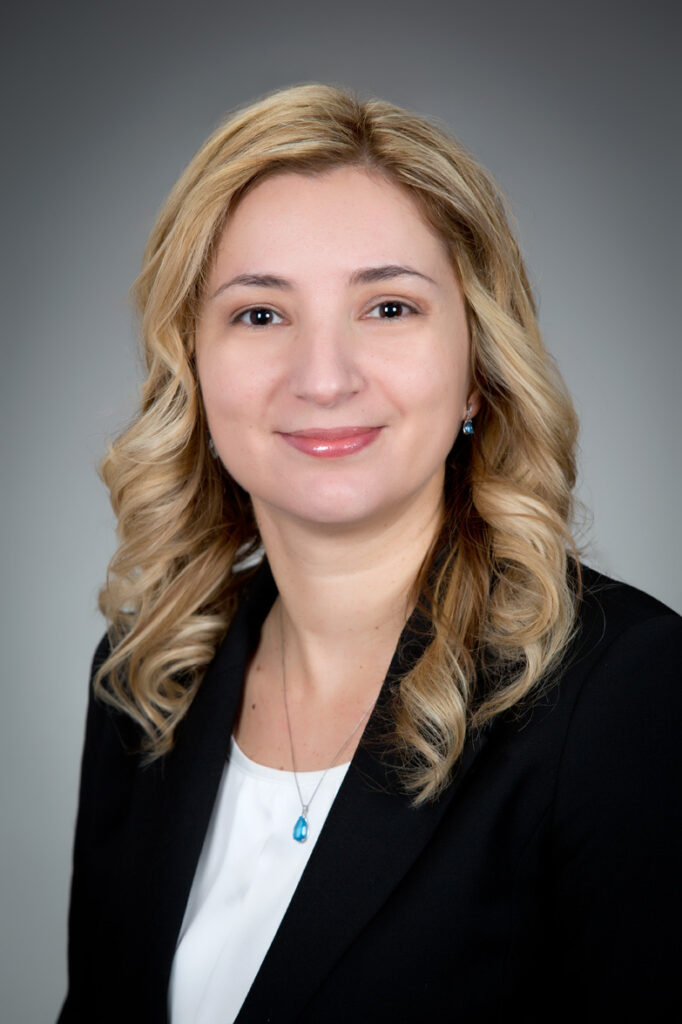
2026 Winner
Dr. Hermina Strungaru, University of Alberta
Dr. Hermina Strungaru is the Residency Program Director for Ophthalmology at the University of Alberta and a dedicated advocate for embedding wellness into the structure of residency training. She has led meaningful changes to improve scheduling, enhance academic programming, and strengthen systems that support resident rest, workflow, and learning conditions.
Through consistent advocacy and a strong focus on psychological safety, Dr. Strungaru has fostered a supportive and responsive training environment where residents feel heard and valued. Her commitment to mentorship, inclusive training practices, and program-level innovation continues to strengthen both the quality of education and the overall resident experience.
The RDoC Mikhael Award for Medical Education (Royal College Resident Category)
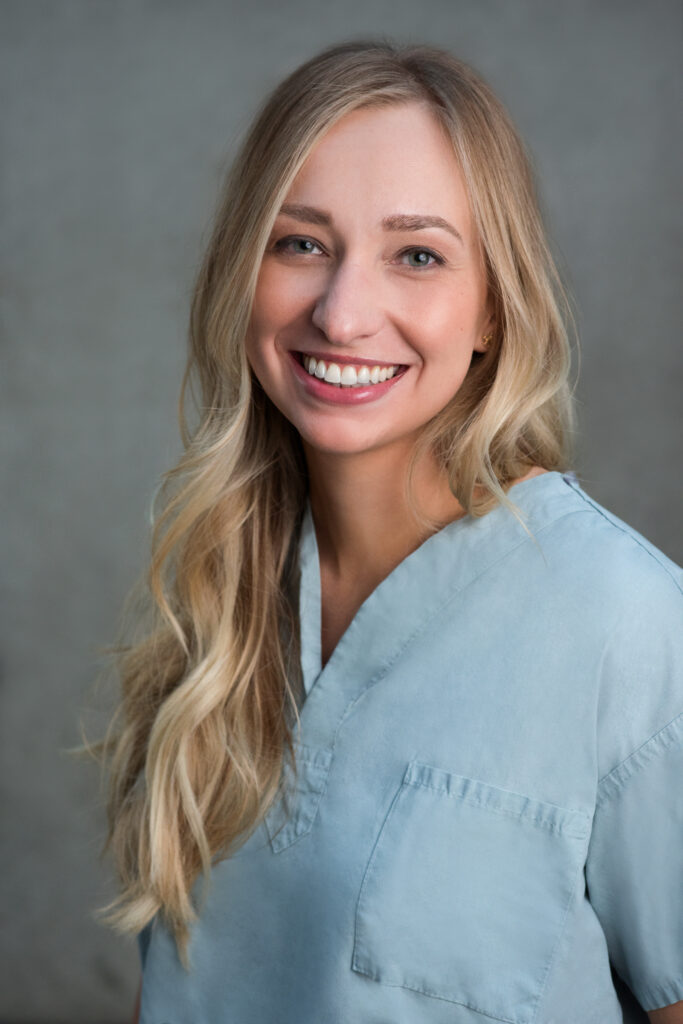
2026 Winner
Dr. Helena Bentley, PGY-6, University of Toronto
Dr. Helena Bentley is a PGY-6 Interventional Radiology resident at the University of Toronto whose work is shaping more equitable and accessible pathways in medical education. She helped to establish MI-RADS: Mentorship in Radiology, an initiative that expands access to mentorship and supports learners in exploring careers in radiology through structured, learner-centred programming.
She also led the development of the CAIR Virtual Angiography Suite, a national educational resource that broadens access to interventional radiology training regardless of geography or institutional resources. Through her leadership in Competence by Design and national education initiatives, Dr. Bentley is advancing system-level improvements that will continue to shape medical training across Canada.
The RDoC Mikhael Award for Medical Education (CFPC Resident Category)
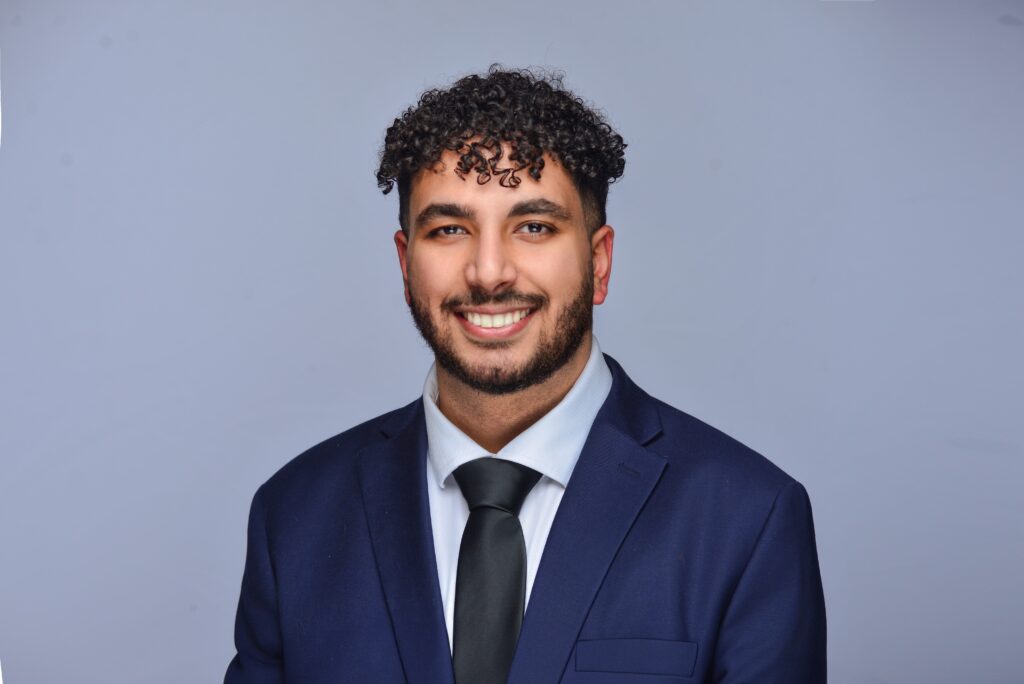
2026 Winner
Dr. Michael Geurguis, PGY-1, University of Toronto
Dr. Michael Geurguis is a PGY-1 Family Medicine resident at the University of Toronto who demonstrates a strong commitment to advancing medical education through teaching, curriculum development, and resident advocacy. As Mastery Exercise and Procedure Seminar Lead, he develops practical, skills-based learning that strengthens clinical preparedness for medical students.
His leadership across multiple curriculum and governance roles—including the FRAT QI Curriculum Committee and MD Program Curriculum Committee—reflects a focus on improving both educational quality and resident experience. Through his research and advocacy, particularly in advancing equity within medical education, Dr. Geurguis is contributing to more thoughtful, effective, and learner-centred approaches to training.
The RDoC Mikhael Award for Medical Education (Staff Category)
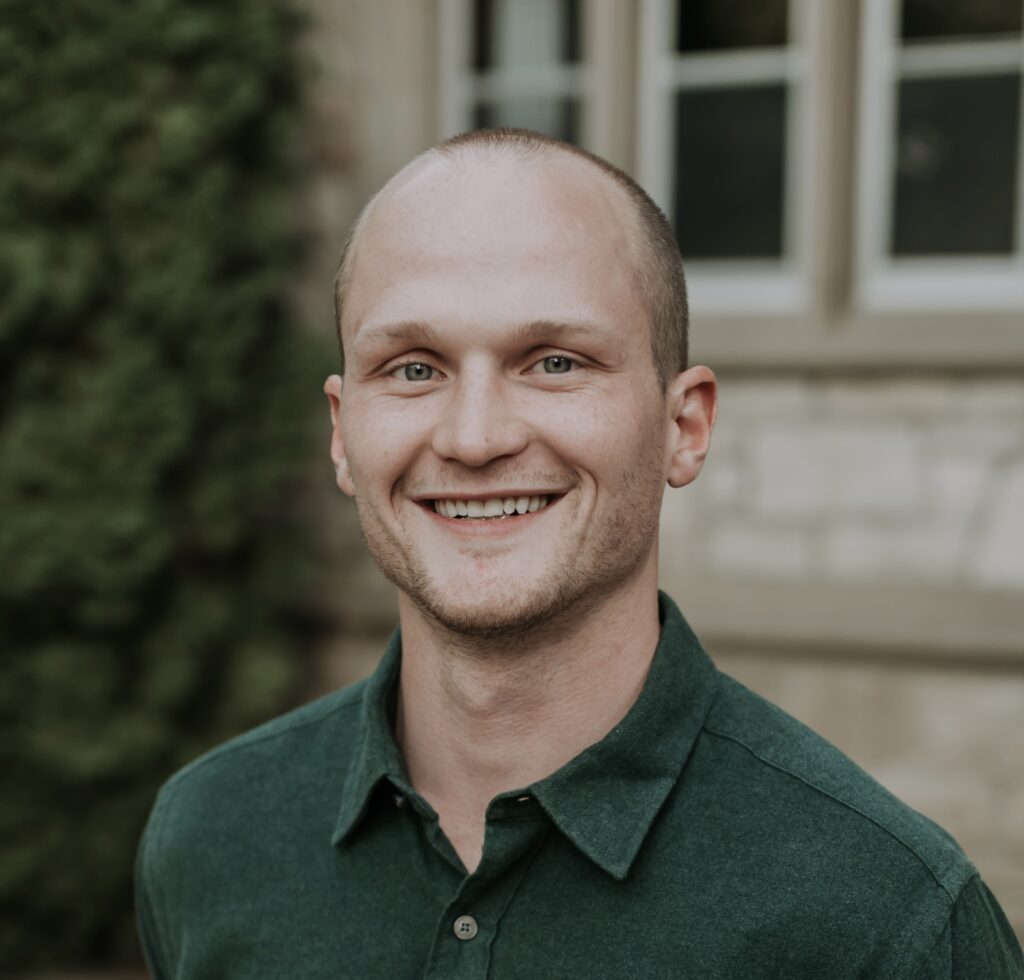
2026 Winner
Dr. Quinten Paterson, University of Saskatchewan
Dr. Quinten Paterson is an Emergency Physician, clinician educator, and Program Director at the University of Saskatchewan whose work is strengthening residency training through learner-centred program design and national leadership. He has advanced a more responsive training environment by actively integrating resident feedback into curriculum and program structure.
His contributions to improving Competence by Design implementation—through clearer EPA pathways and practical supports—have helped create a more accessible and supportive assessment experience. Through his research, curriculum development, and commitment to resident engagement, Dr. Paterson is driving meaningful improvements in medical education at both the program and national levels.
Outstanding Volunteer of the Year

2026 Winner
Dr. Tina Nash, PGY-2, University of Alberta
Dr. Tina Nash is recognized for her exceptional leadership and sustained contributions across anti-racism, accreditation, advocacy, and national collaboration.
As a leader within RDoC, Tina has played a central role in advancing anti-racism efforts through her involvement across committees and initiatives, including the Days of Recognition team and Residents Undo Racism Working Group. Her leadership has helped ensure this work remains thoughtful, grounded, and connected to broader efforts to strengthen culturally safe training environments.
Tina has also helped strengthen relationships between RDoC and the Indigenous Physicians Association of Canada, supporting stronger alignment and partnership in advancing shared priorities.
Alongside this work, Tina has made meaningful contributions to accreditation and resident engagement, including participation in Institutional External Review processes and supporting peer learning and resident readiness for accreditation activities. As a core member of the Family Medicine team, she has also contributed to strengthening conversations on training structures, resident wellness, and anti-racism within medical education.
Through sustained leadership and engagement, Tina has helped advance meaningful change and strengthen the systems that shape residency training across Canada.
Outstanding Volunteer of the Year
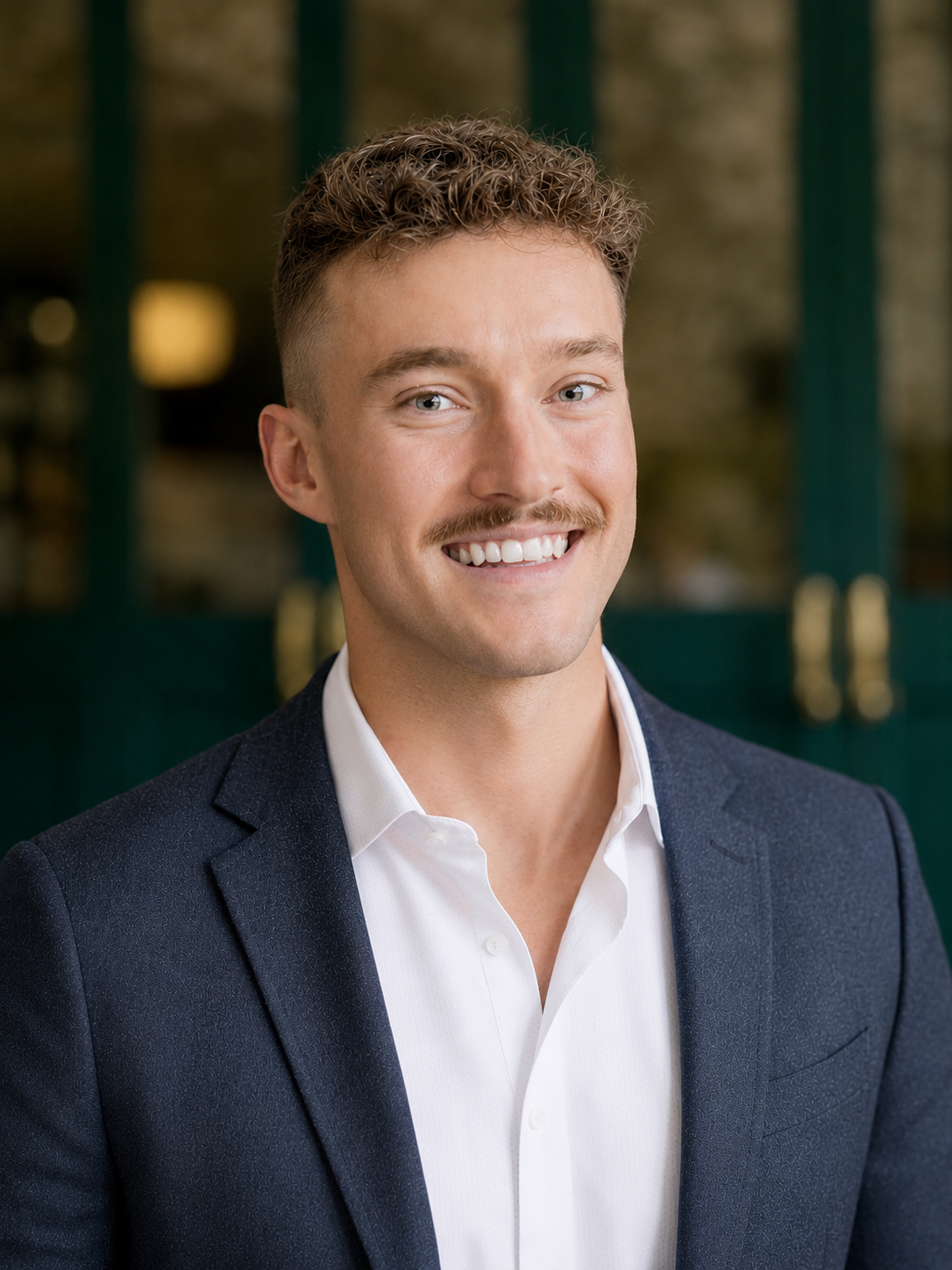
2026 Winner
Dr. Nick Preobrazenski, PGY-2, University of Ottawa
Dr. Nick Preobrazenski is recognized for his exceptional contributions across accreditation, advocacy, and national resident leadership.
Through his involvement in Internal, External, Initial External, and Institutional Reviews, Nick has helped strengthen training environments across Canada through a thoughtful, collaborative, and resident-centred approach. His representation of RDoC on the College of Family Physicians of Canada Residency Accreditation Committee has further strengthened the resident voice in national discussions.
Nick has also made important contributions through RDoC’s Family Medicine work, helping shape national conversations related to training structures, fatigue, and the future of residency training. As Vice-Chair of the Section of Residents, he has played an important role in strengthening collaboration and alignment across organizations to support a more unified approach to resident issues nationally.
Through sustained engagement and leadership, Nick has contributed meaningfully to strengthening both RDoC’s impact and the systems that shape resident training in Canada.
RDoC Awards Frequency Asked Questions
Here are some frequently asked questions we’ve received about the RDoC Awards.
-
Resident physicians and staff physicians who meet the requirements outlined for the Wellness and Medical Education Awards. Non-physicians who meet the requirements outlined for the Service to Resident Award. Serving RDoC Board members, Member Representatives and Award Committee members are not eligible to receive an RDoC Award.
-
Any member of Resident Doctors of Canada, Provincial Housestaff Organizations, Departments of Post-Graduate Medical Education, or any other organization associated with RDoC or post-graduate medical education.
-
Yes, however, you will need to identify an individual as a point of contact.
-
Yes, you can nominate yourself for an RDoC Award. To bolster your nomination, ensure you have strong letters of support.
-
Yes, there is no limit on the number of times an individual can be nominated, provided they meet the requirements outlined for the Award.
-
Normally, the deadline is an established date. However, if circumstances warrant, RDoC may extend the deadline for nominations.
-
As part of the nomination form, a 500 word maximum personal profile outlining contributions, innovations, creativity, leadership, and mentorship roles, and impact of the nominee’s work.
Up to 2 1-page letters of support from separate individuals or organizations familiar with the nominee’s activities.
A 2-3 page CV.
-
Review the Awards descriptions. Be comprehensive. Emphasize the nominee’s accomplishments and abilities. Keep it professional. Avoid irrelevant material. Avoid using biased language (e.g., gender). Put your nominee in the best light possible.
RDoC will follow-up with you if we feel your nomination package could be strengthened.